200 Hour Yoga Teacher Training in Rishikesh: A Complete Guide for Beginners
If you are more serious about yoga and want to learn both the practice and philosophy behind it the first structured step is usually a 200 hour yoga teacher training in Rishikesh. This guide will assist you to understand what the course is really about, who it’s intended for, and what a beginner should think about before picking a course, so you can make a thoughtful choice instead of a rushed one.
This article is for beginners, so we’ve kept it practical and down to earth — no overblown promises, just a clear idea of what a 200 hour YTT generally looks like and how to assess a yoga school in Rishikesh before you sign up.
What Is a 200 Hour Yoga Teacher Training Program?
A 200 hour yoga teacher training is an entry level, internationally recognized format (aligned with Yoga Alliance standards) that covers the foundational aspects of yoga practice and teaching. The “200 hours” refer to the minimum hours of contact a student has in:
- Asana alignment and practice
- Pranayama (breathing exercises)
- Relaxation and meditation techniques
- Philosophy and History of Yoga
- Basic human anatomy and physiology pertaining to yoga
- Teaching Methodology & Practice Teaching
- The Ethics of a Yoga Teacher
The course provides students with a working knowledge of yoga as a whole discipline, not just as a set of poses, and prepares them to teach beginner-level yoga classes with competence.
Most 200 hour yoga teacher trainings are spread out over 21 to 28 days, although some schools offer longer weekend or part-time formats. The daily schedule is quite intensive, combining practice and theory classes.
Why Rishikesh Is a Popular Destination for Yoga Teacher Training
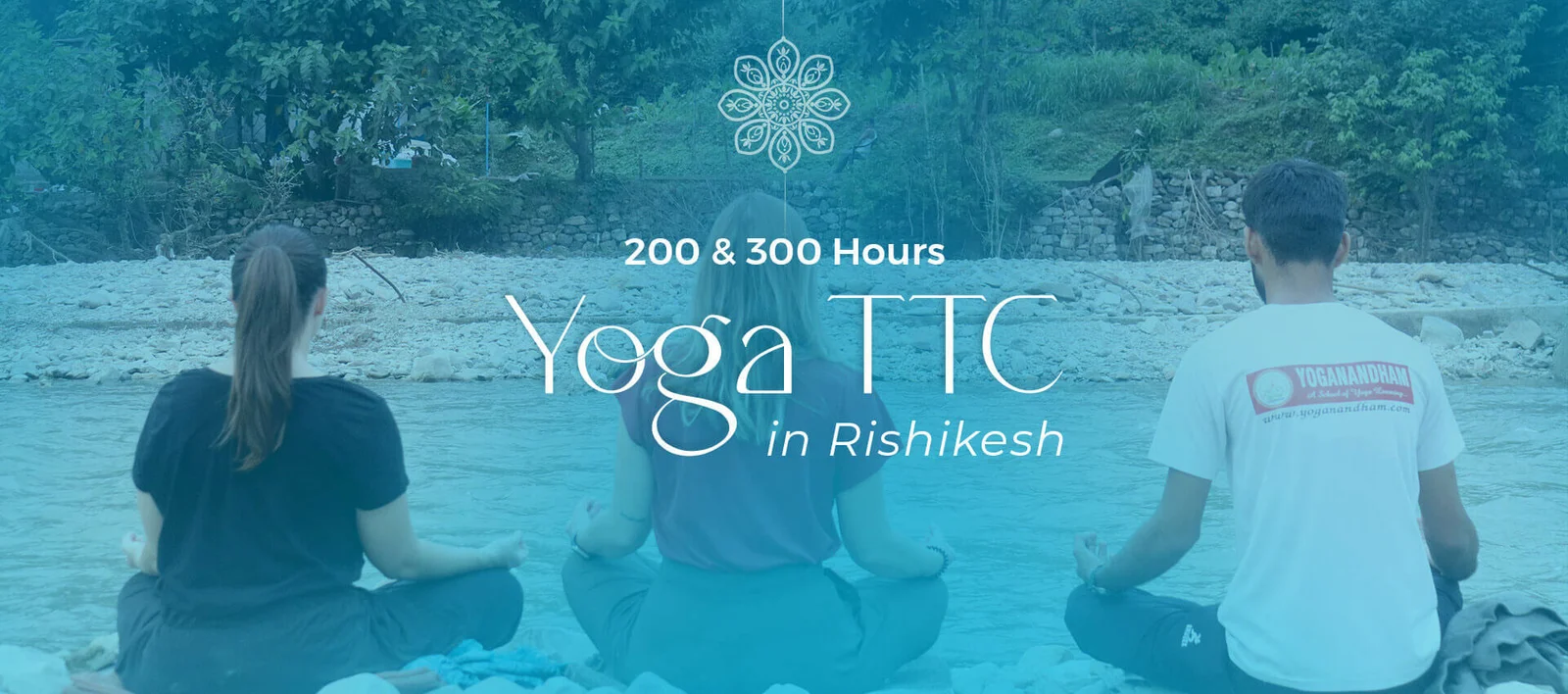
Rishikesh in the foothills of the Himalayas, on the banks of the Ganga, is considered a traditional center for yoga and meditation in India. For some practical reasons, it has long attracted practitioners, teachers and students from around the world:
- A concentration of yoga schools and teachers — Rishikesh has one of the highest concentrations of yoga schools in India, which means students have a wide choice of programs, lineages, and teaching styles to contrast.
- A calmer place to practice — Rishikesh is a calmer place to practice as compared to the bigger cities. There are fewer distractions of everyday life which many students find conducive to a daily disciplined practice.
- Access to yoga’s traditional roots – Many schools in the region draw from classical yoga texts and traditional teaching lineages, exposing students to the philosophical aspects of yoga as well as the physical practice.
- Natural Surroundings – The river bank setting and proximity to the Himalayas is a functional setting for the outdoor practice, walks and quiet study time.
None of this guaranties a particular outcome for any individual student—the actual learning experience still depends a lot on the specific school, its teachers and the effort a student puts in.
What Does a Typical 200 Hour Course Cover?
The exact structure will vary from school to school, but most 200 hour yoga teacher training programs are based on the following core areas.
1. Philosophy of Yoga
Students are usually introduced to the foundational texts and concepts such as the Yoga Sutras of Patanjali, the eight limbs of yoga (Ashtanga), the concept of the four paths of yoga (Karma, Bhakti, Jnana, Raja) and basic yogic ethics (Yamas and Niyamas). The aim is to help ordinary students comprehend yoga as a philosophy and way of life and not just as physical exercise.
2. AsanaPractice
These topics are usually covered in practice sessions on a daily basis:
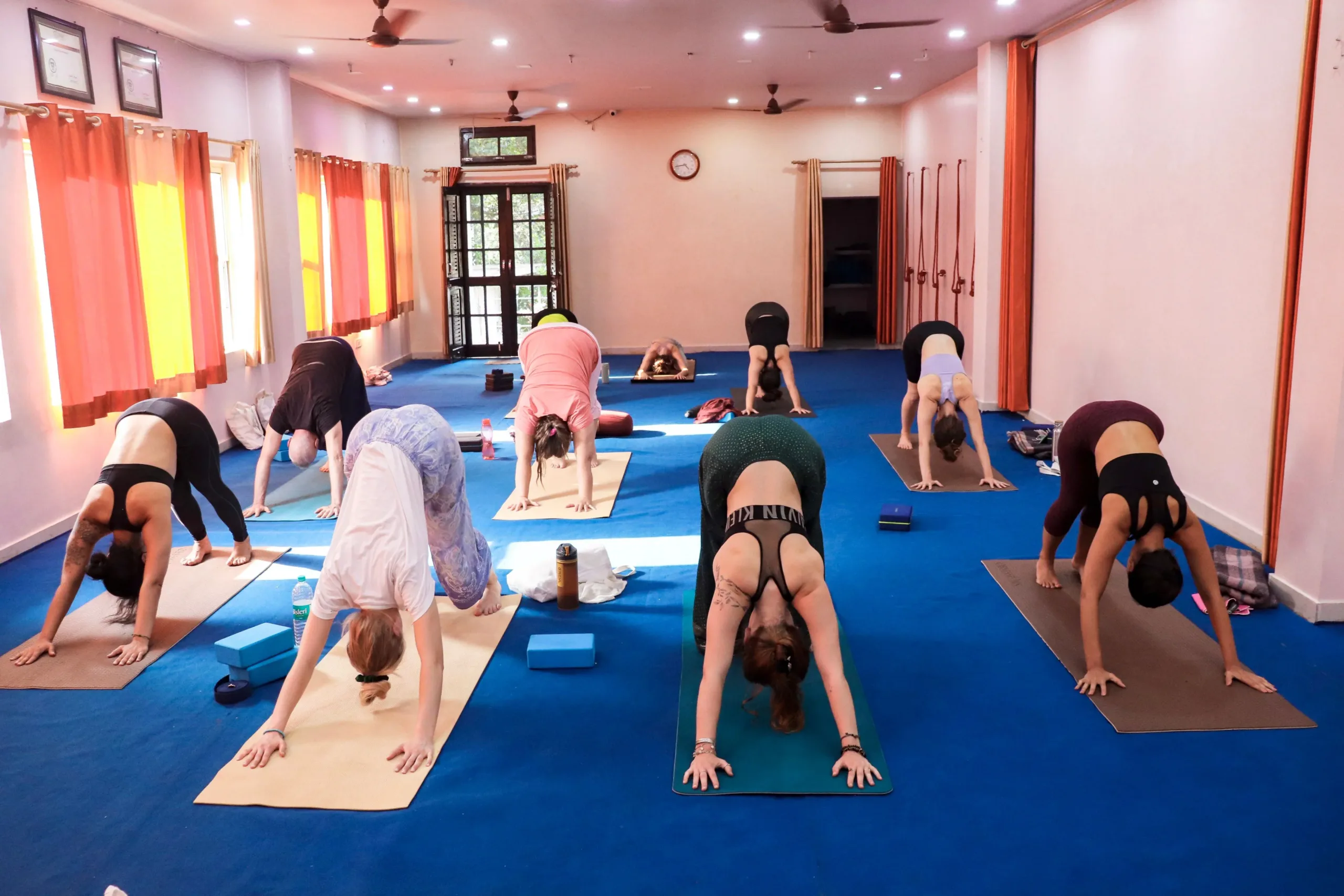
Fundamental posture alignment and technique
Sun salutations and standing sequences
Sitting poses, backbend, forward fold, twist and inversion poses (as appropriate to level)
Modifications and use of props for different body types and abilities
3. Pranayama (Breath exercises)
Students are introduced to basic breath work including Ujjayi, Nadi Shodhana (alternate nostril breathing), Kapalabhati and Bhastrika. Students explore breath regulation and its supportive role in the nervous system and practice overall.
4. Meditate.
Courses typically teach a handful of meditation techniques (e.g. breath awareness, mantra meditation, or guided relaxation, Yoga Nidra) so that students walk away with practical tools they can continue to use after the course.
5. Physiology and Anatomy
There is one basic anatomy module, which covers the musculoskeletal system, the joints and the way the body moves in respect to asana practice, and common precautions for injury-prone areas such as the knees, lower back and shoulders.
6. Methodology of Teaching
This section covers how to structure a class, voice and instruction, sequencing principles, hands-on and verbal adjustments, and how to work with students of varied levels and abilities.
7. Teaching Practice
Most schools have supervised practice teaching sessions where students take turns teaching parts of a class , and get feedback from teachers and peers . Often cited as one of the most useful parts of the course as it builds real teaching confidence, not just theoretical knowledge
What Beginners Should Consider Before Choosing a Program
There are many options for yoga teacher training in Rishikesh and it can be quite overwhelming for a first timer student to choose from. The practical things to consider before you sign up
1. Course of study
Instead of a general overview ask for a detailed syllabus, broken down by day or by week. And be sure it covers all the core areas – philosophy, asana, pranayama, meditation, anatomy and teaching methodology – in a good amount of depth, not just physical practice.
2. The Teachers and Their Background
Look into the experience and teaching backgrounds of the main instructors, don’t just go by the school’s overall reputation. Ideally, teachers should have a strong personal practice as well as prior experience in teaching students, including beginners.
3. Certificazione e accreditamento
Make sure the certificate is recognized by an appropriate certifying body (Yoga Alliance, for example) and what you need to do to gain certification, such as attendance requirements, assessments or practice teaching hours.
4. Lodging and Food
Most programs are residential and you should ask about room types, cleanliness and proximity to the practice hall. Food is usually satvic (vegetarian) and included in the course fee – check whether it accommodates common dietary needs.
5. Location and Amenities
Think practical: is the school near the river or in a quieter part of Rishikesh? Have they got a practice hall? Do you have quiet areas for self-study outside of class hours?
6. Frequency of lessons and size of class
A busy schedule is not necessarily better – see how many hours are practical versus theoretical and what the class size is generally, as smaller groups tend to receive more individual attention and correction.
7. Student Assistance
See what sort of support is available during the course (health issues, injury modifications, language barriers) and if there is any guidance provided after the course finishes.
8. Credibility of the School
Look at independent reviews, ask about how long the school has been in operation and try to speak to past students directly if possible rather than relying only on testimonials on the school’s own website.
Conclusion
A 200 hour yoga teacher training in Rishikesh provides a systematic way of making a real base in yoga for beginners, including philosophy, asana, pranayama, meditation, anatomy and teaching skills, in one of the most developed yoga places in India. It’s not just the location but the right choice of school. Take a moment to check the curriculum, teachers, accommodation and certification details before enrolling. If you are looking to explore options, Yoganandham’s has the syllabus and schedule in detail at present. Read moreas a school, check , browse offered or with any specific questions before you apply.
Frequently Asked Questions